
Safe Brightening Products for Sensitive Skin: 7 Radiant Secrets Your Skin Has Been Waiting For
The honest, empathetic guide for women who want a real glow — without the redness, burning, or morning regret.
Table of Contents
ToggleThe Tightrope Every Sensitive-Skin Woman Knows Too Well
You’ve been there. Standing in a skincare aisle — or scrolling at midnight — holding a product that promises to fade those stubborn dark spots. And right next to the excitement is that quiet fear: what if my skin hates this tomorrow morning?
If your skin has ever turned red, burned, or broken out after trying a brightening product, you already know: finding safe brightening products for sensitive skin isn’t just a shopping question. It’s an act of self-care.
The good news? You genuinely don’t have to choose between glowing and comfortable. The right ingredients exist. You just need to know where to look.
What Sensitive Skin Is Really Telling You
Sensitive skin isn’t a flaw — it’s a signal. Your skin’s protective barrier, that invisible layer between you and the world, is working overtime.
Think of it as a wall with tiny invisible cracks. Irritants slip through more easily. Moisture escapes faster. And when a harsh active ingredient meets that compromised barrier, your skin pushes back — with redness, tingling, or flares.
Common triggers include synthetic fragrance, drying alcohols, high-concentration acids, and even certain “natural” plant extracts. Recognizing your triggers is the first step toward a routine that actually works for you.
What Makes a Brightening Product Truly Safe
The best formulas do two things at once: they brighten, and they support your barrier while doing it.
Look for products that pair their active brightening agents with calming, barrier-repairing ingredients — things like Aloe Vera, Allantoin, or Hyaluronic Acid. pH balance matters too. A formula with an excessively low or high pH disrupts your skin’s natural acid mantle (around 4.5–5.5) and invites irritation before the actives even have a chance to work.
7 Ingredients to Look For — Your Gentle Heroes
These are the ingredients that have earned their place in every sensitive-skin brightening routine:
Red Flags: Ingredients to Avoid
Knowing what to skip protects you from waking up with an unhappy face:
- Drying alcohols — SD alcohol, denatured alcohol, or isopropyl alcohol strip the barrier and trigger rebound oiliness
- Synthetic fragrance and essential oils — even “natural” scents are among the top irritants for sensitive skin
- Hydroquinone — effective but not suitable for sensitive skin or long-term use
- High-concentration AHAs/BHAs (above 5–10%) without pH buffering — too aggressive for reactive skin
- Harsh physical scrubs — large particles cause micro-tears that worsen sensitivity over time
How to Test Without the Drama
Even the gentlest formula deserves a proper introduction to your skin:
- Patch test first — inside the wrist or behind the ear, 24 to 48 hours before full use
- Start 2–3 times per week — let your skin adjust before going daily
- Introduce one new product at a time — so you always know what caused what
- A mild tingle can be normal. Burning, persistent stinging, or visible redness means stop and reassess
Building Your Gentle Brightening Routine
Gentle sulfate-free cleanser → Niacinamide + Arbutin serum → Oil-free moisturizer with ceramides → Mineral SPF (zinc oxide or titanium dioxide)
Thorough but gentle cleanse → Hydrating toner → Brightening serum on clean skin → Barrier-repair moisturizer overnight
One low-percentage PHA or lactic acid exfoliation. Clay mask on T-zone only if needed. Never both in the same session.
SPF every single morning. Hyaluronic acid before moisturizer. Blotting papers instead of powder for midday touch-ups.
Our AliExpress Pick: 5% Niacinamide & Arbutin Serum 30ml
5% Niacinamide & Arbutin Serum — 30ml
- 5% Niacinamide — barrier & tone
- Hyaluronic Acid — deep hydration
- Fragrance-free formula
- Alpha Arbutin — fades dark spots
- Aloe Vera — calms irritation
- Suitable for all skin types
Why this serum? It combines the exact two ingredients this article recommends most — 5% Niacinamide and Alpha Arbutin — in one lightweight, affordable formula. Niacinamide works on the barrier while Arbutin quietly inhibits melanin production, fading existing spots without triggering new irritation. The addition of Hyaluronic Acid and Aloe Vera keeps the formula soothing and hydrating — not stripping. At 30ml with a budget-friendly price point on AliExpress, it’s an accessible starting point for anyone building a sensitive-skin brightening routine for the first time.
Use it morning and evening on clean, dry skin — apply 3 to 4 drops and gently press into your face before moisturizer. In the morning, always follow with SPF. Give it six honest weeks before judging — this is how gentle brightening works.
Natural Alternatives Worth Trying
If you lean toward a more natural approach, these options are gentle enough for most sensitive skin types — though patch testing still applies:
- Green tea extract — antioxidant-rich, calms inflammation while gently brightening over time
- Turmeric (in low concentrations) — curcumin has shown melanin-inhibiting properties in research
- Yogurt masks — lactic acid at naturally low concentrations, soothing and mildly brightening
- Honey — a humectant with gentle brightening properties and exceptional calming effect on irritated skin
- Rosehip oil — natural vitamin A and C precursors that improve tone gradually without irritation
Natural doesn’t always mean gentle. Always introduce one ingredient at a time and listen to what your skin says back.
Professional Treatments — Yay or Nay?
Professional treatments can complement your home routine beautifully — but the choice of treatment matters significantly for sensitive skin:
- Gentle chemical peels with lactic acid, mandelic acid, or PHAs — not glycolic or TCA at full strength
- Hydrafacials customized for sensitive skin — hydrating, brightening, and zero downtime
- LED light therapy — specific wavelengths reduce inflammation and improve uneven tone without physical irritation
- Microneedling with barrier-supporting serums — effective for deeper delivery, only with an experienced professional
Always tell your dermatologist or esthetician your skin is reactive before any treatment. The best professionals adjust their approach accordingly — and never pressure you into anything your skin isn’t ready for.
Keeping Your Glow for the Long Haul
Getting there is one journey. Staying there is another — and for sensitive skin, it comes down to a few non-negotiables:
- Daily SPF without exception — UV exposure is the primary trigger of new hyperpigmentation, even on cloudy days
- Gentle exfoliation once or twice a week — prevents dullness from building up without stressing the barrier
- Antioxidant serum in the morning — shields against pollution and blue light that cause dark spots over time
- Adjust with the seasons — your skin’s sensitivity shifts with hormones, stress, and weather. Your routine should shift too.
The Real Secret Nobody Tells You
The most effective thing you can do for sensitive, brightening-resistant skin isn’t finding the most potent product. It’s finding the one your skin actually trusts.
When you stop fighting your barrier and start supporting it — with the right safe brightening products for sensitive skin, consistent SPF, and a little patience — your skin will show you what it’s capable of.
And that glow? It comes from the inside out. Every single time.
For persistent or medical skin concerns, always consult a licensed dermatologist.ذ
♥ Continue Your Journey to Radiant Skin
If you enjoyed learning about this, you’ll find these curated guides essential for your 2026 beauty ritual:
- Best Travel Skincare Sets: 5 Radiant Modular Swaps That Finally Work For Your Skin
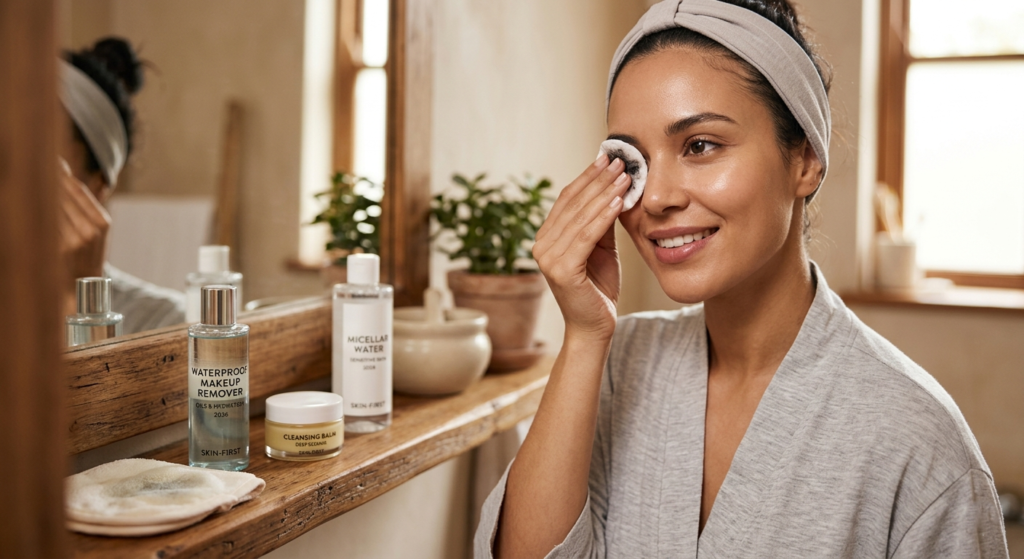
- 5 Best Ways to Remove Waterproof Makeup Without Dryness or Irritation — Your Ultimate 2026 Skin-First Guide
- 5 Radiant Reasons the Ultimate Rice Puree Travel Kit Is Your Carry-On Skincare Hero
- Best Travel Skincare Sets: 5 Radiant Modular Swaps That Finally Work For Your Skin
- Dark Circles: 5 Shocking Night Habits Sabotaging Your Brightest Eyes (Fix Them in 7 Days)
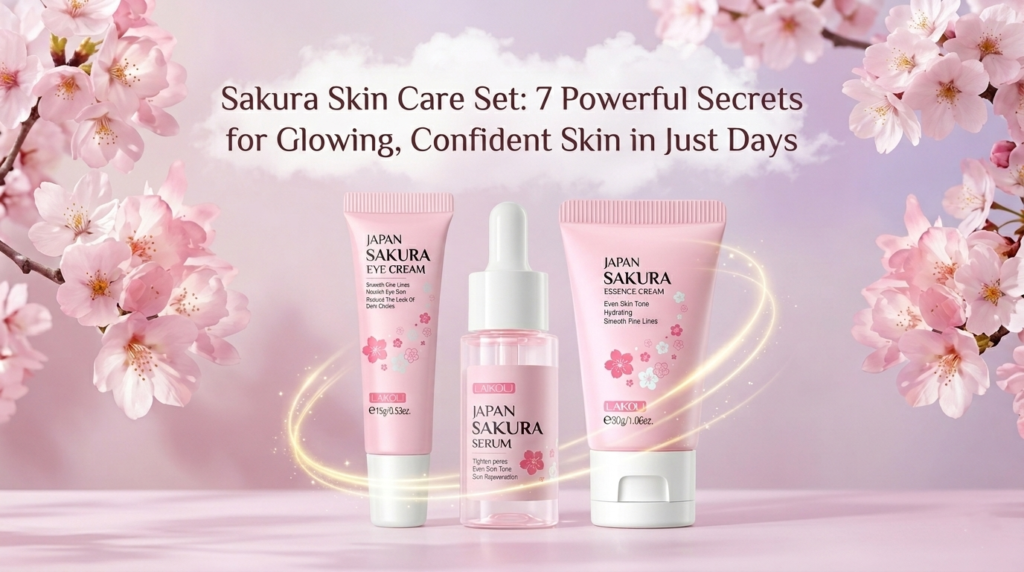
- Sakura Skin Care Set: 7 Powerful Secrets for Glowing, Confident Skin in Just Days